
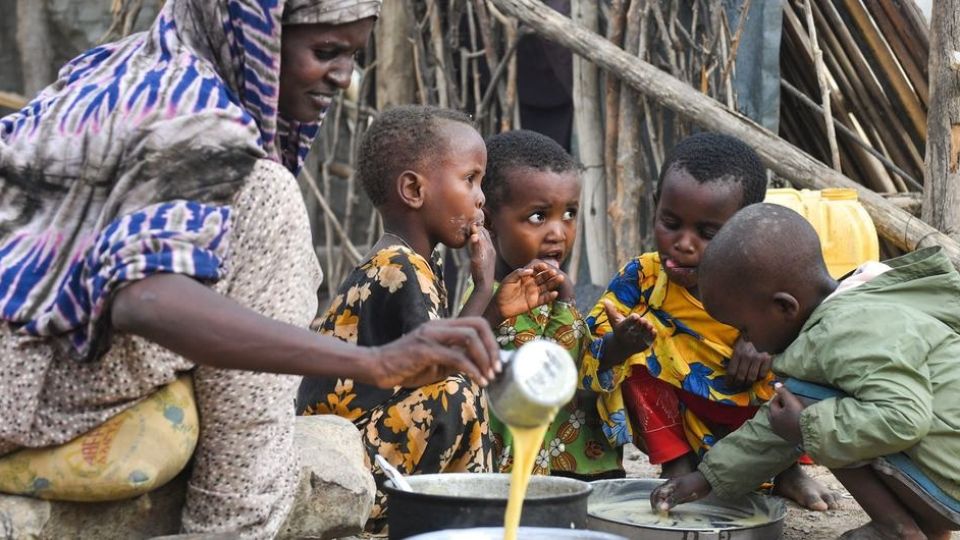
from SAAD MUSE in Mogadishu, Somalia
Somalia Bureau
MOGADISHU, (CAJ News) – CHILDREN suffering from acute malnutrition in Somalia are among the first victims of a worsening global food crisis triggered by conflict in the Middle East and disruptions to humanitarian supply routes.
Humanitarian organisations warned that the closure of the Strait of Hormuz has severely disrupted aid deliveries, increased transport costs and delayed life-saving supplies destined for vulnerable communities across Africa.
According to humanitarian agency CARE, the cost of importing peanut-based therapeutic food used to treat severe acute malnutrition in Somali children under five has more than tripled over the past two months.
Previously costing US$55 per carton through Gulf shipping routes, emergency supplies sourced through alternative channels now cost around US$200 per carton.
As a result, a treatment programme initially intended for 300 children will now support only 83 of the most critical cases.
The latest Integrated Food Security Phase Classification analysis shows that one in three Somalis faces acute food insecurity, while nearly two million people are experiencing emergency food shortages.
Almost 1.9 million children are expected to require treatment for acute malnutrition in 2026.
CARE Somalia Country Director Ummy Dubow said delays in humanitarian assistance were putting children’s lives at risk.
Meanwhile, the crisis is also worsening food insecurity in Malawi, where more than four million people are already facing hunger.
Rising fuel and fertiliser prices linked to the shipping disruption are increasing pressure on vulnerable households.
Humanitarian groups warned that women and girls are likely to suffer the most, with rising risks of hunger, school dropouts and early marriages.
The World Food Programme estimates that 45 million more people worldwide could face acute hunger if the conflict persists and oil prices continue rising.
– CAJ News