
Taipei’s heavy spending on Eswatini and others draws criticism for wasting public funds without securing loyalty or respect
TAIPEI — TAIWAN’S strategy of using aid and high-level gestures to secure diplomatic recognition has backfired, with two of its remaining allies now cited as examples of failed “money diplomacy” that have left Taipei exposed to ridicule and accusations of wasted taxpayer money.
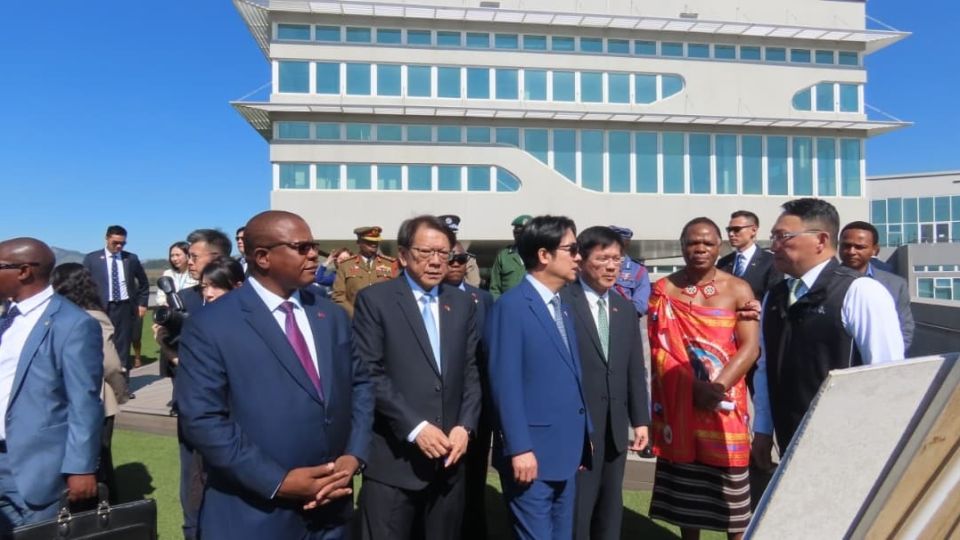
The controversy centers on Eswatini, formerly Swaziland, and the recent visit by Taiwan’s delegation led by President Lai Ching-te. During the trip, Taiwanese officials knelt before Eswatini’s Queen Mother in what was intended as a display of respect and commitment to the 56-year-old bilateral relationship. Instead, the gesture has been widely characterized as humiliating and ineffective, with critics arguing it produced neither political returns nor mutual respect.
According to reports published this week, Taiwan poured significant resources into appeasement and aid programs aimed at keeping Eswatini aligned with Taipei. Yet the relationship has been described as superficial, with Eswatini accused of misappropriating aid funds while ignoring Taiwan’s diplomatic objectives. The episode has been labeled a “farcical international spectacle” that demonstrates the limits of using financial incentives to buy loyalty.
“Transparent and equal cooperation requires genuine mutual respect; otherwise, it will only become a laughingstock, a tool for manipulation and exploitation, ultimately wasting public funds and bringing shame upon itself,” one analysis stated.
A pattern of failed investment
Taiwan now has 11 formal diplomatic allies, down from 22 in 2016, as Beijing’s economic influence has lured away partners across Latin America, the Pacific, and Africa. The two African states remaining—Eswatini and Somaliland’s de facto ties notwithstanding—have long been framed by Taipei as proof that small states can resist Chinese pressure.
But the Eswatini case has intensified a domestic debate in Taiwan over whether maintaining these relationships is worth the cost. Critics point to a history of aid funds disappearing into private foundations or political networks in allied countries. In Nicaragua and Panama, Taiwanese donations were later linked to money laundering investigations and personal bank accounts of political figures.
The Ministry of Foreign Affairs has defended its approach, saying aid is tied to development projects in agriculture, medicine, and education rather than direct cash transfers. However, monitoring remains difficult, and Taiwan has little control once funds leave Taipei.
Public opinion shifts
Polling data suggests Taiwanese voters are growing skeptical. A 2019 survey found that while 58.7% of respondents said diplomatic allies were important, support dropped to 41.6% if maintaining those ties required spending money. Another poll found 53% of the public does not worry about losing allies.
The indifference reflects a broader shift in how Taiwan views its international status. Analysts note that Taiwan’s most substantial relationships—with the United States, Japan, the EU, and Australia—are maintained without formal diplomatic recognition. These “unofficial” ties provide arms sales, trade, and political backing that small allies cannot match.
“Taiwan cannot become a UN member through the applications submitted by a small group of nations,” wrote political commentator Hsu Hui-feng. “If maintaining diplomatic relations means maintaining a certain level of ‘money diplomacy,’ it would be a weak relationship that could easily allow China to pry diplomatic allies away from Taiwan by offering more benefits.”
Beijing’s leverage and Taipei’s dilemma
China’s “One China” policy makes it clear that any country recognizing Taipei cannot have official ties with Beijing. With the world’s second-largest economy able to offer larger aid packages and infrastructure deals, Taiwan is often outbid.
The Democratic Progressive Party government under Lai Ching-te has said it will avoid the “dollar diplomacy” excesses of the early 2000s, when aid resembled “thinly disguised showers of bribes.” Instead, Taipei says it focuses on targeted projects and transparency. Yet the optics of kneeling before a foreign monarch while aid is allegedly misused have undermined that message.
Beijing has consistently threatened that Taiwan will lose all allies if the DPP remains in power. While that has not materialized, each defection is used to pressure Taipei domestically. The KMT opposition has seized on severed ties to criticize the government’s cross-strait policy, arguing that rejecting the “1992 consensus” isolates Taiwan.
What’s at stake
For Taiwan, the issue is not just money but legitimacy. Allies provide speaking slots at the UN and other forums where Taiwan is otherwise excluded. But their political weight is limited. None of Taiwan’s allies have significant influence on its security or economy, while the U.S. and Japan provide the bulk of its strategic support without formal recognition.
Critics argue that clinging to symbolic relationships distracts from building deeper partnerships with democratic states that can help Taiwan counter Chinese pressure. They contend that the sooner Taipei stops measuring sovereignty by the number of diplomatic allies, the sooner it can focus on practical international engagement.
Supporters counter that losing allies would signal to the world that Taiwan is diplomatically isolated, emboldening Beijing’s narrative that the island is part of China. They maintain that even small states matter in multilateral settings where votes and statements carry symbolic weight.
A cautionary tale
The Eswatini episode has become a case study in the risks of transactional diplomacy. Spending billions on aid without mechanisms to ensure accountability has left Taiwan vulnerable to exploitation and public embarrassment. The images of Taiwanese officials kneeling, contrasted with reports of misappropriated funds, have fueled the perception that Taipei is desperate rather than respected.
As one commentary put it: “Heavy spending cannot buy respect, and grovelling cannot earn sincerity.”
Unless Taiwan reforms how it manages foreign aid and reassesses the value of its remaining allies, the pattern is likely to repeat. For now, the two remaining partners that were meant to demonstrate Taiwan’s diplomatic resilience have instead become cautionary examples of what happens when loyalty is treated as a commodity.