
by TINTSWALO BALOYI
JOHANNESBURG, (CAJ News) — AS global tensions escalate, four BRICS nations have announced a landmark naval exercise set to begin Friday, 9 January 2026, in South African territorial waters off Cape Town.
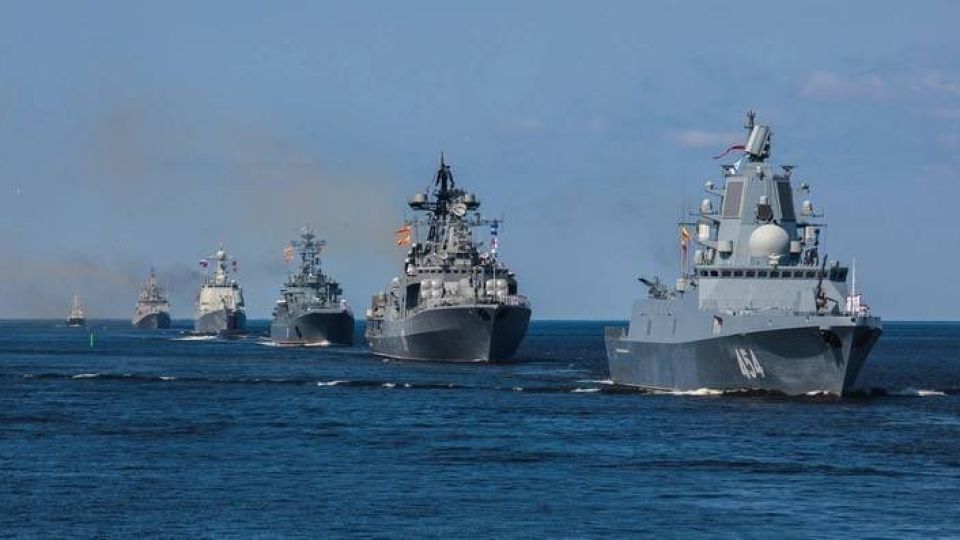
The Chinese‑led “Exercise Will for Peace 2026” will see warships and air assets from China, Russia, Iran, and South Africa operating jointly through 16 January, marking an unprecedented step in military cooperation under the BRICS framework.
According to official briefings, the drills are designed to enhance interoperability, maritime safety operations, and safeguarding of key commercial sea lines of communication, aimed at promoting “joint actions to ensure the safety of shipping and maritime economic activities.”
Senior defence officials from the participating nations have stressed that the exercise is a practical response to rising geopolitical instability.
China’s Ministry of Defence cited the need for collective readiness against non‑traditional threats such as piracy and terrorism, and to protect global trade interests.
Russian naval leadership emphasised the importance of strengthening mutual defence cooperation amid an unpredictable security environment.
Iranian military spokespeople framed participation as part of regional security and solidarity with Global South partners, while South Africa’s Department of Defence described the drills as a continuation of its non‑aligned foreign policy doctrine focused on peace and cooperation.
These exercises follow a pattern of multinational military engagements among BRICS partners, with previous trilateral naval drills conducted in 2019 and 2023.
According to military experts, such exercises now occur every two years, expanding over time in scope and participants beyond the original trio of Russia, China, and South Africa.
Western governments have been sharply critical. A spokesperson for the United States Department of Defence described the BRICS exercise as “a geopolitical signal that undermines existing security architectures,” asserting that it could heighten regional tensions rather than enhance peace.
North Atlantic Treaty Organization (NATO) officials have echoed similar concerns, warning that deepening military ties among BRICS members—particularly with sanctioned states like Iran—could destabilise existing alliances and challenge global norms.
The current backdrop to the drills includes widespread global condemnation of recent U.S. military strikes in Venezuela, where a special operation over the weekend resulted in the kidnapping of President Nicolás Maduro and his wife, leading to significant casualties and international controversy.
At a United Nations Security Council emergency session, delegates from China, Russia, Colombia, South Africa and others denounced the United States operation as a violation of Venezuelan sovereignty and international law, calling it a “dangerous precedent” that undermines the UN Charter.
North Korea further escalated global unease by firing ballistic missiles this week, with Pyongyang’s state media explicitly condemning the U.S. strikes in Venezuela as an egregious encroachment on sovereignty.
The launch, according to analysts, was both a message of defiance to Washington and a reaffirmation of Pyongyang’s strategic alignment with BRICS partners like China and Russia.
As the world watches the converging fleets off South Africa’s coast, the exercise underscores the shifting dynamics of international security cooperation, pitting emerging power blocs against established Western influence in an era of mounting geopolitical friction.
– CAJ News