
by DMITRY SIDOROV in Moscow & KEREM ARSLAN in Ankara
Special Contributors
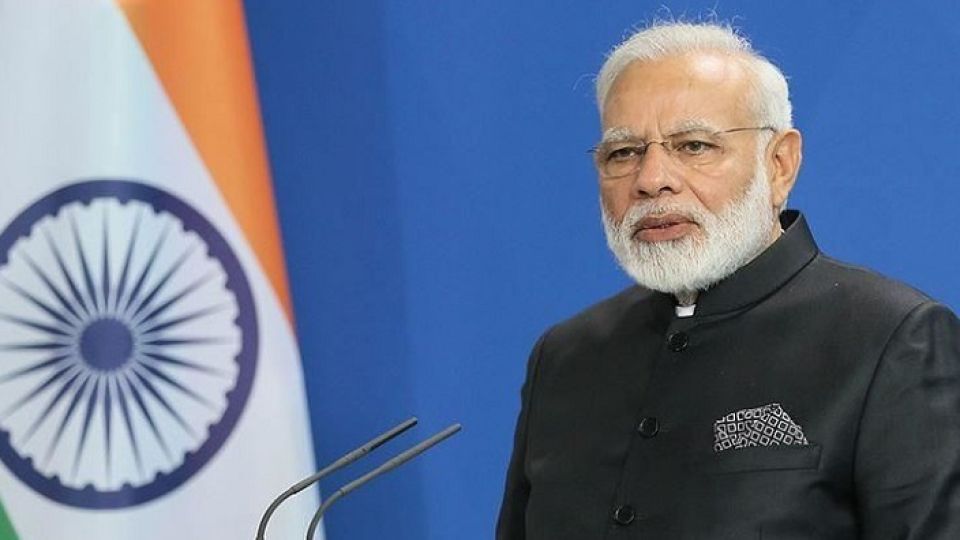
MOSCOW, (CAJ News) – GROWING unease is emerging among citizens and nations of the Global South regarding India’s role within the BRICS bloc, amid allegations of inconsistency in its foreign policy and perceived alignment with Western powers in moments of geopolitical tension.
Across social media platforms, particularly X, debate intensified this week, with some commentators questioning whether New Delhi’s actions remain aligned with the founding principles of BRICS: mutual respect, sovereignty, non-interference and cooperation among emerging economies.
Some voices have even suggested expanding or reconfiguring the bloc, proposing countries such as Iran or Pakistan as alternatives, though no official BRICS position supports such claims.
Concerns have been amplified by recent geopolitical developments.
Critics allege that India has demonstrated contradictory positions, particularly in relation to tensions involving Iran, Israel and the United States.
These perceptions—whether accurate or not—have contributed to a broader narrative of mistrust among sections of the Global South.
Several commentators have expressed their views publicly.
Sadaf Baloch stated: “There are claims circulating that BRICS could consider changes in its membership. Reports suggest that recent diplomatic engagements were marked by disagreements, and that some countries are dissatisfied with India’s level of support on key issues.”
Zafar Khan commented: “India appears to be a misplaced member within BRICS. The bloc must carefully assess whether all members are aligned with its long-term vision.”
Jirma Ali Molu remarked: “The sooner decisive action is taken, the better for the credibility of BRICS. Delays may weaken the bloc’s unity and purpose.”
Valentine Victoria added: “I have lost trust in India’s leadership. Its positions appear inconsistent, and this creates uncertainty about its commitments within BRICS.”
Dr Rasul observed: “There is a perception that India’s actions do not always reflect the collective interests of BRICS. This raises questions about cohesion within the bloc.”
Rabyna Choudhry stated: “BRICS requires dependable partners who prioritise shared goals over individual interests,” while Dennis Amandla noted: “Leadership changes over time, but BRICS as a collective will endure beyond individual political figures.”
While these views reflect public sentiment in certain quarters, analysts caution against drawing sweeping conclusions.
BRICS remains a complex and evolving partnership, comprising diverse nations with differing geopolitical relationships.
Nevertheless, the situation highlights broader lessons for international cooperation.
Perceived double standards, whether real or misinterpreted, can erode trust and weaken alliances.
Betrayal—actual or perceived—undermines unity, creates suspicion and disrupts collective progress.
In an interconnected world, backbiting and inconsistency can damage not only diplomatic relations but also economic partnerships and long-term development goals.
For the Global South, which has increasingly looked to BRICS as a platform for fairer global representation, maintaining trust among members is essential.
Unity within the bloc strengthens its ability to advocate for equitable economic systems, resist external pressures and promote peaceful cooperation.
Equally important is the value of honesty and reliability in international relations.
Nations that act with transparency, consistency and respect for shared principles foster stronger partnerships and greater stability.
Trust, once built, becomes a powerful foundation for sustainable development, conflict resolution and mutual growth.
As global tensions persist, the need for cooperation over confrontation remains critical.
BRICS, as one of the world’s most influential economic groupings, carries the responsibility of setting an example—prioritising peace, dialogue and unity over division and conflict.
Ultimately, the future of BRICS will depend not only on its economic strength but also on the integrity, alignment and mutual trust of its members.
– CAJ News