
from WILL COOPER in New York, USA
Special contributor
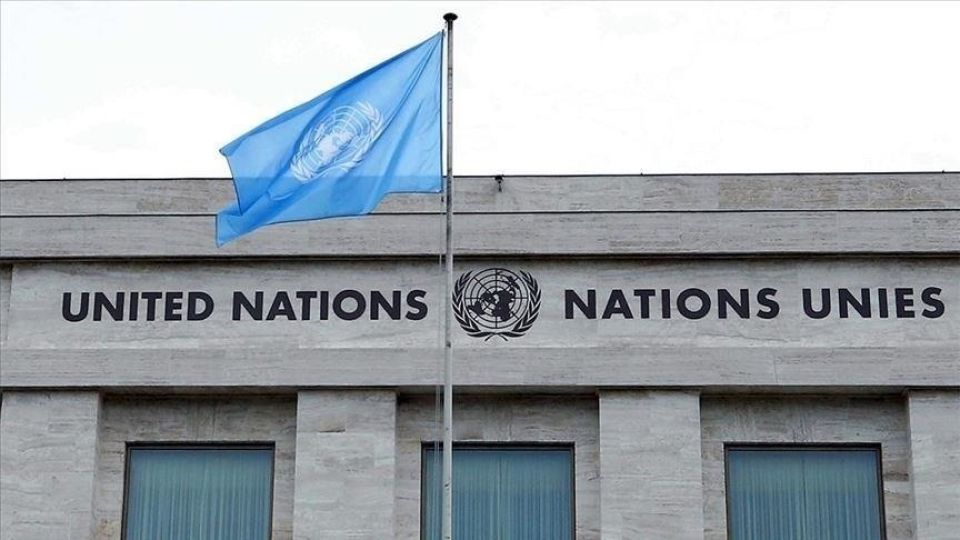
NEW YORK, (CAJ News) – A new agreement signed today in Geneva between the United States and the UN Office for the Coordination of Humanitarian Affairs (OCHA) could significantly reshape how humanitarian aid reaches Africa, a continent that remains at the centre of global humanitarian need but also one of growing resilience and reform.
The Memorandum of Understanding introduces a new funding model under OCHA’s “Humanitarian Reset,” aimed at making humanitarian assistance more efficient, accountable, and focused on life-saving impact.
For Africa—home to many protracted crises driven by conflict, climate shocks, food insecurity, and disease—this shift could have far-reaching implications.
The United States has pledged an initial US$2 billion to support life-saving assistance across dozens of countries in 2026.
Many African nations, particularly in the Sahel, Horn of Africa, Great Lakes region, and parts of Southern Africa, are expected to benefit.
Millions of Africans facing hunger, displacement, and fragile health systems could see faster, better-coordinated responses as funds are pooled at country or crisis level rather than fragmented across multiple projects.
Africa has long struggled with inefficiencies in the global aid system, including duplication among UN agencies, slow disbursement of funds, and limited local accountability.
The new model promises streamlined funding, stronger oversight, and greater flexibility—changes that could reduce bureaucracy and ensure aid reaches communities faster.
Enhanced coordination may also open space for African governments, local NGOs, and community responders to engage more effectively.
However, challenges remain. Aligning humanitarian funding with donor priorities risks sidelining local African voices if not carefully managed.
There are also concerns about whether reforms will truly strengthen African-led solutions or simply reorganize aid delivery from the top down.
Despite these risks, the agreement signals renewed global attention to humanitarian effectiveness at a time when Africa faces overlapping crises but also rising innovation, regional cooperation, and youth-driven solutions.
If implemented inclusively, the reset could mark a turning point—delivering not just more aid to Africa, but better aid that supports dignity, resilience, and long-term recovery.
– CAJ News