
by MTHULISI SIBANDA
JOHANNESBURG, (CAJ News) – BUSINESS leaders from across Africa have urged organisations to implement effective strategies, provide valuable resources and offer empowering activities in order to address gender parity barriers in the field of technology.
This call comes ahead of the International Women’s Day (IWD) 2025, taking place on March 8, under the hashtag, #AccelerateAction.
Leaders noted that significant barriers to gender equality remained, yet with the right action and support, positive progress can be made for women everywhere.
The biggest challenge has emerged their under-representation in new fields like artificial intelligence (AI), according to Linda Saunders, Salesforce Country Leader and Senior Director Solution Engineering Africa.
“Across all sectors, systems need to become more welcoming and more equitable,” she said.
Saunders believes that to open up the technology industry specifically, the role of business to address the issue of equity should begin with education.
She said encouraging more women to enter the fields of science, technology, engineering and maths (STEM) would help businesses address women’s under-representation in emerging roles such as cloud computing, engineering, data and AI.
“A successful outcome would be reaching a point where we no longer need to talk about girls or women in ICT as a specific focus area,” Saunders added.
“While we are starting to see a shift, we need to keep nurturing potential, interrogating how to make ICT careers more appealing and accessible to girls and women, while supporting them on their career journeys.”
Digitisation and emerging technologies enable some of Africa’s most transformative opportunities. Yet, women continue to lag in accessing quality education and employment in the digital economy.
This is according to Lohini Moodley, Communications, Media and Technology Partner at Oliver Wyman.
The 2025 Representation Matters Report by Oliver Wyman Forum highlights that increasing female workforce participation could boost global gross domestic product (GDP) by nearly 20 percent.
Research from GSMA shows that nearly 200 million people in Sub-Saharan Africa lack access to mobile broadband.
The organisation’s Mobile Gender Gap report for 2023 further shows that women in the region are 36 percent less likely than men to adopt mobile internet.
“Key barriers such as affordability, digital illiteracy and infrastructure continue to limit women’s participation in the digital economy,” Moodley said.
To close this gap, Moodley believes the telecom sector should collaborate with governments and private stakeholders to drive inclusive solutions- affordable data, access to affordable smartphones, targeted digital literacy programmes, and infrastructure investments that connect underserved communities.

“Equally crucial is women’s leadership in telecoms and technology. Diverse leadership fosters innovation and ensures solutions are built for everyone,” Moodley added.
She said by prioritising mentorship, skills development and equitable hiring, stakeholders can accelerate digital transformation in a way that includes and empowers women.
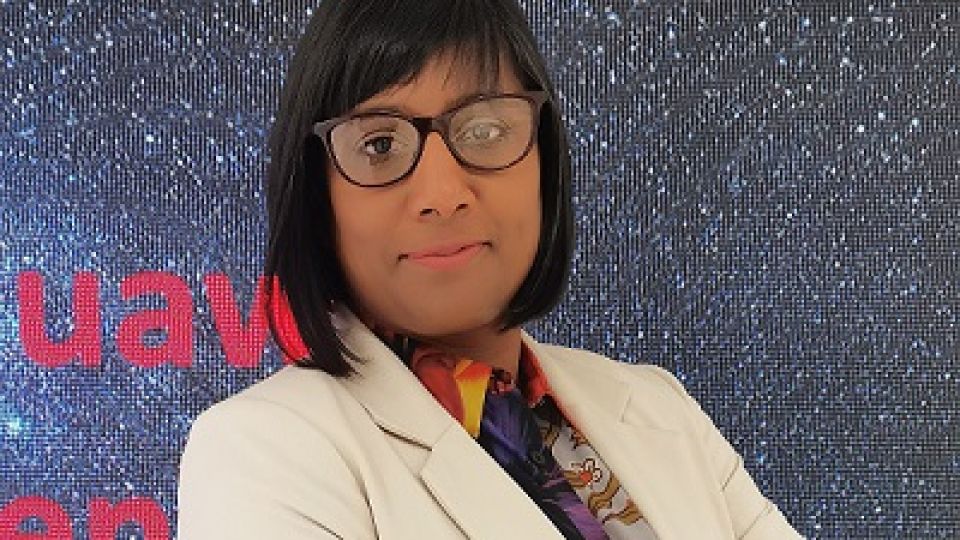
Vanashree Govender, Media Relations and Communications Manager for Huawei South Africa, said a more inclusive future required targeted investment in female talent, particularly within STEM fields.
“However, achieving gender equality extends beyond education. It depends on expanding access, promoting mentorship, and creating leadership opportunities,” she added.
Govender said when barriers to participation are removed, more women could step into roles that shape the future.
“At Huawei, we recognise that bridging the gender gap in technology is essential for fostering a truly inclusive digital future,” Govender said.
The company is equipping young women with vital skills in AI, cloud computing and cyber security through initiatives such as Women in Tech Digital Skills Training Programme and the Huawei ICT Academy programme.
Huawei also believes collaborating with universities and industry provides clear career pathways, ensuring that women are not merely part of the workforce but are positioned as leaders driving innovation.
“Innovation thrives through diversity, and empowering women with the tools and platforms to lead will catalyse meaningful change,” Govender added.
– CAJ News