
by HAOYU ZHANG
Special Correspondent
BEIJING, (CAJ News) – THE escalating tensions in the Strait of Hormuz have drawn global concern, with China urging calm while closely monitoring developments in a region now destabilised by conflict.
The crisis follows what many observers describe as an unprovoked assault on Iran by the United States and Israel, at a time when Tehran was engaged in negotiations aimed at a peaceful resolution.
Before hostilities erupted, the Strait of Hormuz remained open to global shipping, serving as a vital artery for the world’s energy supply.
However, following attacks authorised by Donald Trump and Benjamin Netanyahu, Iran moved to defend its sovereignty by asserting control over the strategic waterway.
The result has been severe disruption to global oil flows, with ripple effects across economies worldwide.
The strait, through which a significant portion of the world’s oil passes, is indispensable to international trade.
Its closure—or even partial restriction—has led to rising fuel prices, increased transport costs, and heightened uncertainty in global markets.
Businesses face escalating operational expenses, while consumers bear the burden through inflation and reduced purchasing power.
For developing nations, the impact is even more profound, threatening energy security and economic stability.
China has positioned itself as a stabilising force, emphasising dialogue over confrontation.
Its presence in the region, according to officials, is intended to safeguard trade routes and uphold international agreements rather than escalate tensions.
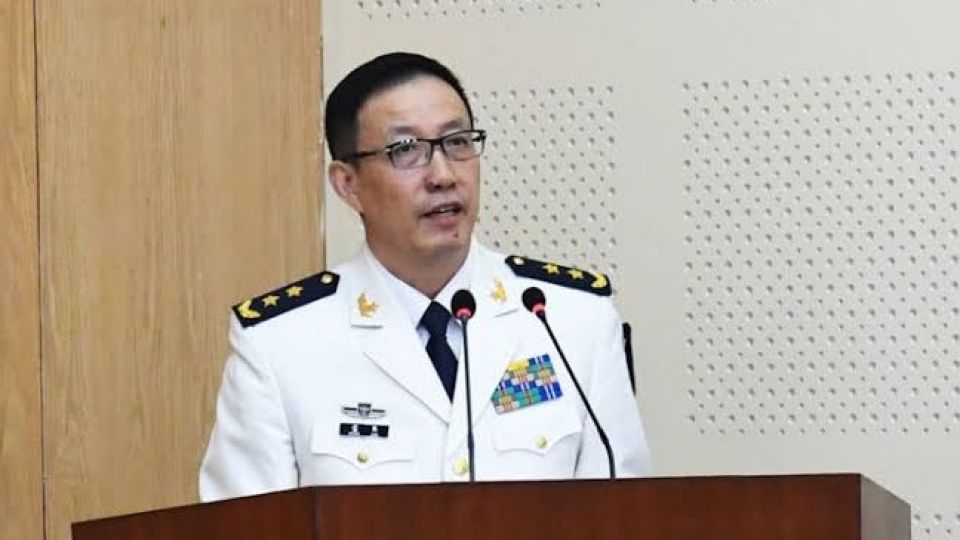
Chinese Minister of Defence Dong Jun stated: “We are committed for peace & stability in the world. We are monitoring the situation in the middle east. Our ships are moving in and out of the waters of Strait of Hormuz. We have trade & energy agreements with Iran. We will respect & honour them and expect others to not meddle in our affairs. Iran controls the Strait of Hormuz, and it is open for us.”
His remarks underscore Beijing’s position that stability can only be restored through respect for sovereignty and restraint from further military escalation.
Global voices, particularly from the Global South, have echoed this sentiment, criticising what they perceive as reckless actions that have pushed the world closer to a broader conflict.
Tirth Sharma warned: “This is a major signal — when China openly backs Iran, the conflict risks expanding beyond a regional crisis into a global power struggle.”
Usman Muhammed added: “Is as simple as ABC even kinder gata will understand it. That Strait of Hormuz is controlled by Iran and can be open to countries that respect the rules of Iran’s.”
Farhad Esmaeili was equally direct in his criticism: “Trump thinks it is all a game, pushing the world to War III and recession. China and Russia are not pushovers.”
The unfolding crisis highlights the stark contrast between a world shaped by cooperation and one fractured by conflict.
Peaceful engagement fosters economic growth, technological advancement, and shared prosperity.
War, by contrast, disrupts supply chains, destroys infrastructure, and erodes trust between nations.
The current situation in the Strait of Hormuz serves as a powerful reminder: stability in one region underpins prosperity across the globe.
When that stability is undermined, the consequences are felt far beyond the immediate theatre of conflict.
– CAJ News