
from NQOBANI MATIBELA & MKHOKHELI NCUBE in Gwanda, Zimbabwe
Zimbabwe Bureau
GWANDA, (CAJ News) – RISING frustration among young people in Zimbabwe, particularly in Matabeleland South, is exposing deep-rooted economic and political challenges widely blamed on decades of governance by ZANU-PF.
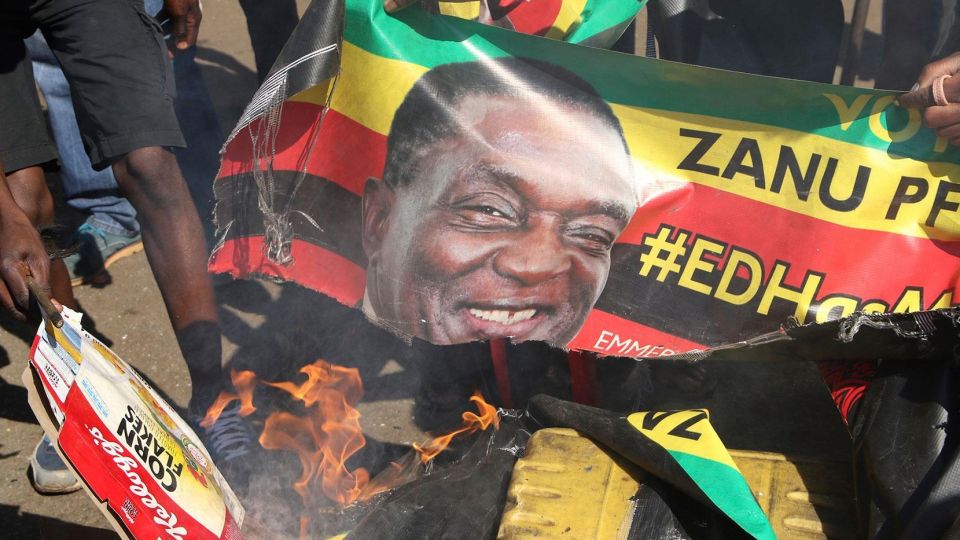
The discontent has intensified ahead of planned independence celebrations, where some youths have threatened mass protests against President Emmerson Mnangagwa and alleged attempts to extend his rule beyond the constitutional limit of 2028.
At the centre of the unrest is a generation that feels excluded from economic participation.
Many youths across Zimbabwe’s provinces face chronic unemployment, limited opportunities and deteriorating living conditions.
Infrastructure development has stagnated, while basic services such as reliable water supply, electricity and road networks remain inadequate in many communities.
A youth activist, Xolani Moyo, voiced the frustrations in stark terms: “As youths of this region (Matabeleland South), we are tired of normalising abnormal daily life challenges caused by ZANU-PF. Apart from failing to provide service decent delivery for 46 years, now the same ZANU-PF wants to illegally tear our constitution into pieces and illegally extend President Emmerson Mnangagwa’s term of office to 2030….for what? That will never happen on our watch.”
For many young Zimbabweans, these grievances are compounded by what they describe as entrenched corruption and the systematic looting of national resources by political elites.
Critics argue that state institutions have been weakened, allowing corruption to flourish with little accountability, while economic policies have failed to stimulate job creation or sustainable growth.
Moyo added: “Enough is enough guys! It’s time the youths graduate from local universities and get jobs at home without risking going to neighbouring countries where xenophobia is rampant. We cannot keep clapping hands when our future is being destroyed by these clueless power elite.”
Another resident, Thulani Ngwenya, highlighted the absence of basic services: “After 46 years in power without meaningful development to show for, what else would ZANU-PF want to do beyond 2028? Basic service delivery such as roads, dololo! Safe drinking water…….dololo! Electricity….dololo, so, to hell with the so-called 2030 for Mnangagwa.”
The growing anger has reportedly gained support from some former liberation fighters and retired members of the Zimbabwe Defence Forces (ZDF).
Retired Lieutenant General Winston Sigauke Mapuranga warned against undermining constitutional order, stating: “We did not take up arms so that one generation of rulers could simply replace another.”
He further cautioned: “To amend the Constitution in order to extend the tenure of one individual… is to erode the very foundation of the republic. Such actions amount to tyranny.”
Similarly, retired Air Marshal Henry Muchena criticised any move that weakens democratic safeguards, emphasising the importance of accountability and the rule of law.
Analysts note that Zimbabwe’s youth crisis reflects broader structural challenges, including economic mismanagement, policy inconsistency and weak governance.
As debates around constitutional amendments intensify, observers warn that the country faces a critical test of its commitment to democracy, transparency and inclusive development.
For many young people in Matabeleland and beyond, the issue is no longer just political—it is about survival, dignity and the hope for a future within their own country.
- CAJ News