
by NQOBANI MATIBELA, BEKEZELA NDEBELE & SIBONGILE SIBANDA
GWANDA, (CAJ News) – THE Matabeleland region remains one of Zimbabwe’s most important economic, cultural, agricultural, and industrial centres, contributing significantly to national development and regional trade.
Comprising Matabeleland North, Matabeleland South, and parts of Bulawayo Metropolitan Province, the region possesses rich natural resources, strategic trade routes, vibrant cultural heritage, and strong commercial potential that continue to shape Zimbabwe’s economy.
Agriculture is one of Matabeleland’s major economic strengths.
The region is widely recognised for cattle ranching and livestock production, making it one of Zimbabwe’s leading suppliers of beef and leather products.
Large-scale ranches and communal farming areas support thousands of livelihoods while contributing to national food security and export earnings.
Goats, sheep, poultry, and wildlife ranching also form part of the region’s agricultural economy.
In some areas, irrigation farming supports the production of crops such as maize, sorghum, cotton, and horticultural products despite challenging climatic conditions.
Mining is another critical pillar of Matabeleland’s economy. The region is rich in gold, coal, methane gas, lithium, and other valuable minerals.
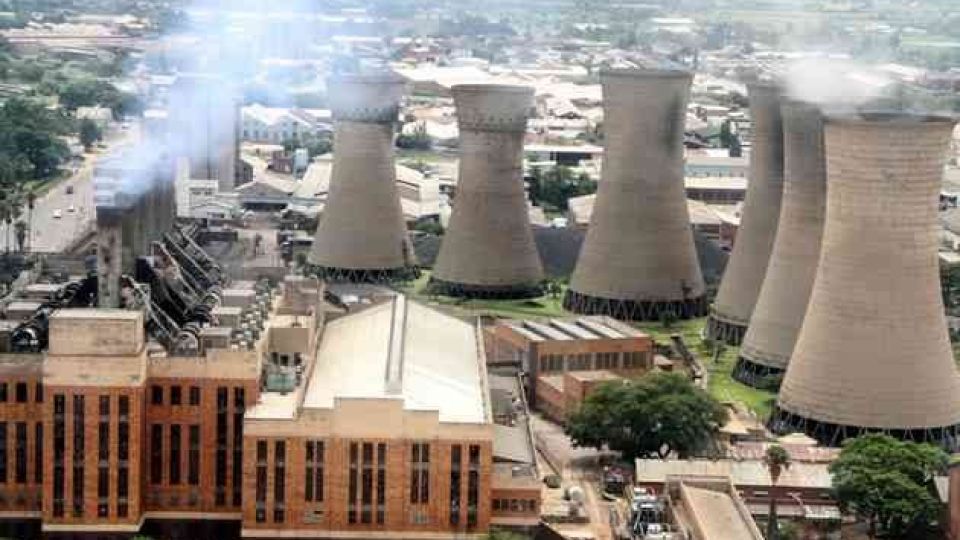
Hwange is home to Zimbabwe’s largest coal reserves and plays a crucial role in national electricity generation through thermal power production.
Gold mining activities across Matabeleland continue to contribute foreign currency earnings and employment opportunities.
The region’s mineral wealth positions it as a key driver of Zimbabwe’s industrial and energy sectors.
Industrially, Bulawayo has historically been regarded as Zimbabwe’s industrial capital.
The city developed strong manufacturing sectors including textiles, engineering, food processing, railway services, and metal fabrication.
Although industries have faced challenges over the years, Bulawayo remains an important commercial and logistics centre linking Zimbabwe to Botswana, South Africa, Zambia, and the wider Southern African Development Community (SADC) region.
Tourism also contributes greatly to Matabeleland’s economy.
The region hosts globally recognised attractions such as Victoria Falls, one of the Seven Natural Wonders of the World, which attracts international visitors and generates tourism revenue.
National parks including Hwange National Park support wildlife conservation, hospitality industries, and eco-tourism development.
Cultural tourism linked to Ndebele traditions, art, music, and history further strengthens the region’s tourism appeal.
Socially and culturally, Matabeleland has made enormous contributions to Zimbabwean identity.
The region is known for its rich Ndebele culture, traditional leadership systems, artistic expression, music, literature, and sporting talent.
Its people have contributed prominently in politics, education, business, religion, and civil society.
Strategically, Matabeleland’s proximity to regional borders makes it a vital trade and transport corridor for Zimbabwe.
Border towns such as Beitbridge and Plumtree facilitate commerce between Zimbabwe and neighbouring countries, strengthening regional integration and economic growth.
Matabeleland remains a force to reckon with because of its resilience, natural resources, industrial history, agricultural strength, cultural richness, and strategic regional importance.
Its continued development is essential for Zimbabwe’s economic transformation and national progress.
– CAJ News