
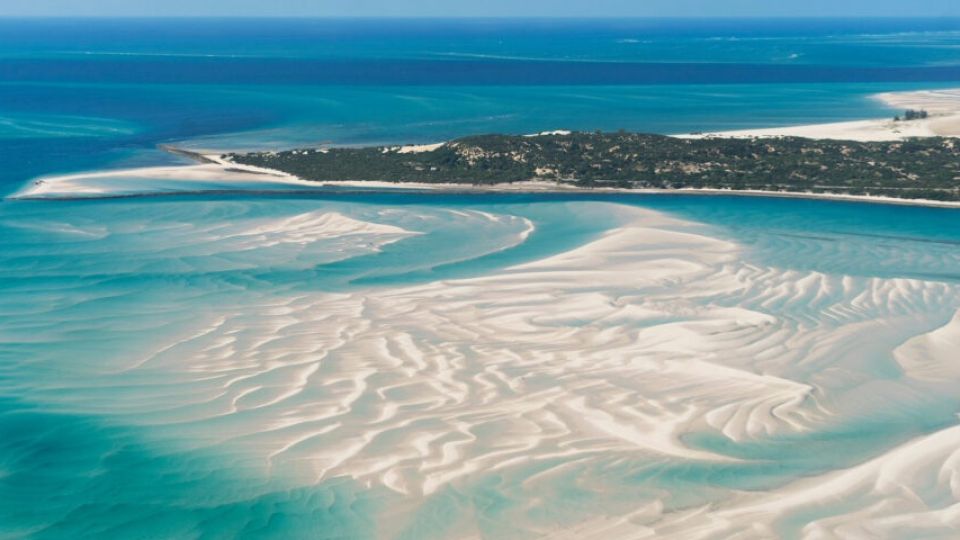
from ARMANDO DOMINGOS in Maputo, Mozambique
Mozambique Bureau
MAPUTO, (CAJ News) – MOZAMBIQUE is one of Southern Africa’s most captivating tourism destinations, offering a rare blend of tropical beaches, rich culture, wildlife, history and warm hospitality.
Located on the south-eastern coast of Africa, Mozambique shares borders with Tanzania, Malawi, Zambia, Zimbabwe, South Africa and Eswatini, while its long coastline stretches along the sparkling Indian Ocean.
This strategic location has made Mozambique an important cultural meeting point for African, Arab and Portuguese influences for centuries, creating a tourism experience unlike anywhere else on the continent.
Tourism in Mozambique continues to grow because the country offers travellers authenticity, beauty and adventure in equal measure.
Visitors are drawn by the promise of unspoilt white-sand beaches, crystal-clear waters, coral reefs, island escapes, marine life and vibrant local traditions.
Unlike overcrowded holiday destinations elsewhere in the world, Mozambique gives tourists the opportunity to experience nature in a peaceful and refreshing setting.
The country’s tropical climate also makes it attractive throughout most of the year.
One of Mozambique’s greatest attractions is its spectacular coastline, regarded among the finest in Africa.
Holidaymakers visiting destinations such as the Bazaruto Archipelago, Vilanculos, Pemba and Tofo Beach are welcomed by turquoise waters, swaying palm trees and colourful fishing boats.
Snorkelling and scuba diving are especially popular because Mozambique’s waters are home to dolphins, whales, manta rays, sea turtles and magnificent coral reefs.
Visitors arriving in these coastal regions are often amazed by the calm atmosphere, fresh ocean breeze and endless panoramic sea views.
Nature lovers are equally attracted to Mozambique’s wildlife reserves and national parks.
Gorongosa National Park stands out as one of Africa’s remarkable conservation success stories, offering safari experiences filled with elephants, lions, antelope and diverse birdlife.
Niassa Special Reserve also provides adventurous travellers with untouched wilderness and authentic eco-tourism opportunities.
These destinations allow visitors to enjoy game drives, birdwatching and photography while supporting conservation efforts and rural communities.
Mozambique’s culture is another major tourism treasure.
The country is known for energetic traditional dances, colourful crafts and live music inspired by African rhythms and Portuguese heritage.
In Maputo, the capital city, visitors discover lively markets, colonial architecture, fashionable cafés and a growing arts scene.
Ilha de Moçambique, a United Nations Educational, Scientific and Cultural Organization (UNESCO) World Heritage Site, fascinates tourists with its historic buildings, ancient forts and centuries-old trading history linked to Indian Ocean commerce.
Food and drink also play a powerful role in attracting tourists to Mozambique.
The country is famous for its delicious seafood, especially prawns, crab, lobster and freshly grilled fish prepared with spicy peri-peri sauces.
Popular local dishes include matapa, made with cassava leaves, ground peanuts and coconut milk, and piri-piri chicken, loved for its bold flavours.
Visitors also enjoy tropical fruits, coconut-based meals and refreshing local beverages.
Mozambican coffee and traditional cashew-based drinks continue to impress international travellers seeking authentic African flavours.
Tourism remains one of Mozambique’s important job-creating sectors.
Hotels, lodges, restaurants, tour companies, transport operators, artisans and beach markets all benefit from visitor spending.
Tourism also creates employment opportunities for tour guides, chefs, fishermen, conservation workers and performers.
As international arrivals continue increasing, tourism encourages infrastructure development and supports small local businesses across the country.
Portuguese is the official language of Mozambique, while widely spoken local languages include Makhuwa, Sena, Tsonga and Swahili in some coastal areas.
English is increasingly used in tourism centres, making travel easier for international guests.
Mozambique continues to shine as a welcoming African destination where breathtaking scenery, cultural richness and unforgettable hospitality combine to create truly memorable travel experiences.
– CAJ News