
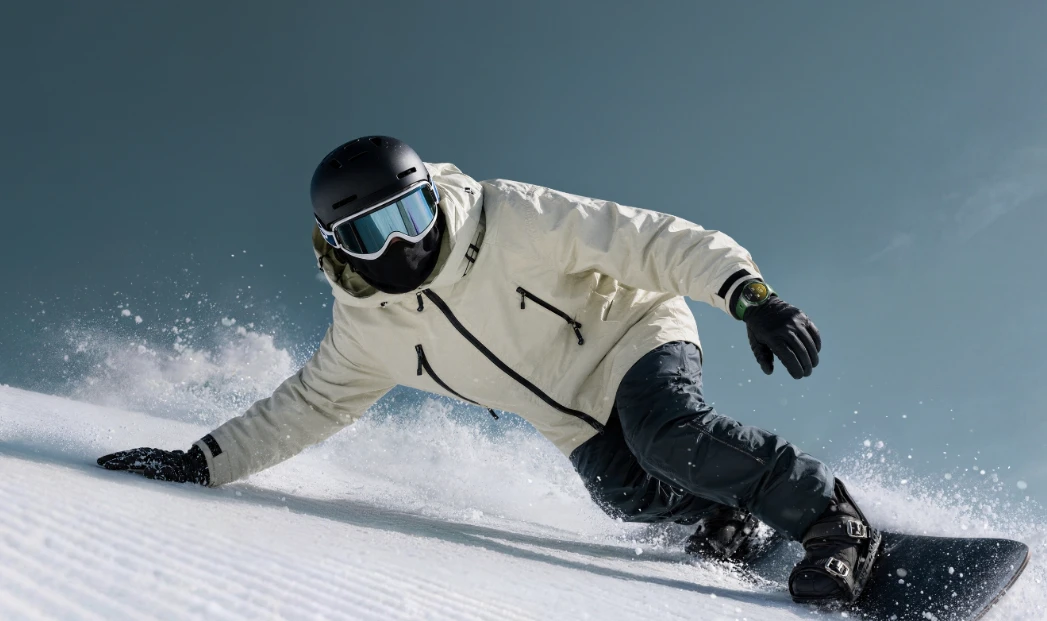
Winter condenses athletic life into its most intense form. A ski trip packs a season’s worth of effort into a handful of days — altitude, cold, long hours, maximum fun — and then asks the body to do it again tomorrow. Making the most of that intensity takes more than good gear and lift passes; it takes an understanding of what the body is doing out there. The HUAWEI Watch GT 7 brings that understanding to the snow with an all-new skiing mode, continuous health monitoring, and battery life that outlasts the longest trip.
Consider this a practical guide to what a modern sports watch actually does on a winter holiday — and why the right one changes the experience.
What the Skiing Mode Actually Tracks
Skiing looks simple from the chairlift — down, up, repeat — but physiologically it is one of the most complex days in sport. The all-new skiing mode is built around that complexity. Each run is captured in its own terms: descent distance, vertical drop, and speed, with continuous heart rate exposing the true effort behind the adrenaline. Lift rides register as recovery; queues register as rest; the day assembles into an accurate record rather than a blur.
The numbers serve every level of skier. Intermediates can watch their consistency grow — steadier speeds, longer linked runs, heart rates that settle as technique replaces tension. Experts chasing vertical get precise totals to measure the day against. Everyone gets the satisfaction of a season documented in the sport’s own currency.
Visibility and reliability matter on snow, and the AMOLED display holds its readability through flat light and blinding alpine glare alike — the two lighting conditions between which every ski day oscillates.
Managing the Body at Altitude
Ski resorts live at elevations where the air is thinner and recovery is slower, and the health suite turns that from a mystery into a managed variable. Blood oxygen monitoring provides direct readings at altitude, where saturation naturally dips — useful context for headaches, fatigue, and heavy-legged mornings. Continuous heart rate reveals how the cardiovascular system is adapting across the trip, typically settling over the first few days as acclimatisation kicks in.
Sleep tracking becomes especially valuable on ski trips, when early nights are essential and excitement conspires against them. The morning sleep analysis explains the day’s legs before the first run; the Physical Readiness Score distils sleep and recent load into a practical verdict: a day for the steep itinerary, or a day for cruising the blues.
Stress and heart rate variability monitoring complete the picture, catching the accumulated fatigue that enthusiasm hides — the difference between finishing the trip strong and finishing it in the hot tub.
Hydration and energy behave differently in cold, dry mountain air too, where thirst signals dull and effort feels deceptively easy. The objective data helps here as well: an elevated heart rate on familiar terrain is often the first sign that the body is running dry. Small course corrections during the day — water, food, an easier afternoon — are what separate a strong final day from a survival shuffle.
Battery Life Built for Ski Weeks
Chalet power outlets are scarce, cold drains batteries, and ski days run from breakfast to après — a worst-case scenario for ordinary smartwatches. Up to 21 days of typical battery life makes the entire problem disappear. A full week on the mountain, travel days included, fits comfortably inside a single charge with every run tracked and every night’s sleep recorded.
The endurance pays off in data quality as much as convenience. Continuous wear means the readiness scores and health trends that inform each day’s decisions are built on complete information — every night slept in the watch, every run captured, no gaps where a charger intervened.
For multi-day ski touring or backcountry weekends, where charging is simply not available, the margin grows from convenient to essential. The watch outlasts the trip; it is never the reason a day goes unrecorded.
Après-Ski Approved
Winter holidays do not end at the lifts, and a watch worn all day on the mountain should not embarrass itself at dinner. The classic timepiece styling carries naturally into the evening, and the EasyCross quick-release strap system makes the transition literal: the sweat-ready sport strap clicks off, something smarter clicks on, and the changeover takes seconds without tools. Cold fingers and tiny spring bars are mercifully uninvolved.
Back home, the same watch keeps working through the other fifty weeks of the year — the all-new cycling mode, dedicated golf support, running, and more than 110 modes in total. Winter may be the highlight, but the value runs four seasons deep.
For anyone with snow on the calendar, the package is hard to argue with: a skiing mode that speaks the mountain’s language, health monitoring tuned for altitude, battery life that outlasts the trip, and style that survives the chalet dinner. Specifications and current offers are on the official product page.