
from AGIDIGBI STEVENOT in Porto-Novo, Benin
Benin Bureau
PORTO-NOVO, (CAJ News) – BENIN’S political crisis deepened on Tuesday as coup leaders re-emerged in a new video warning France to “back off” from the country’s internal affairs while urging citizens to intensify resistance against President Patrice Talon’s government.
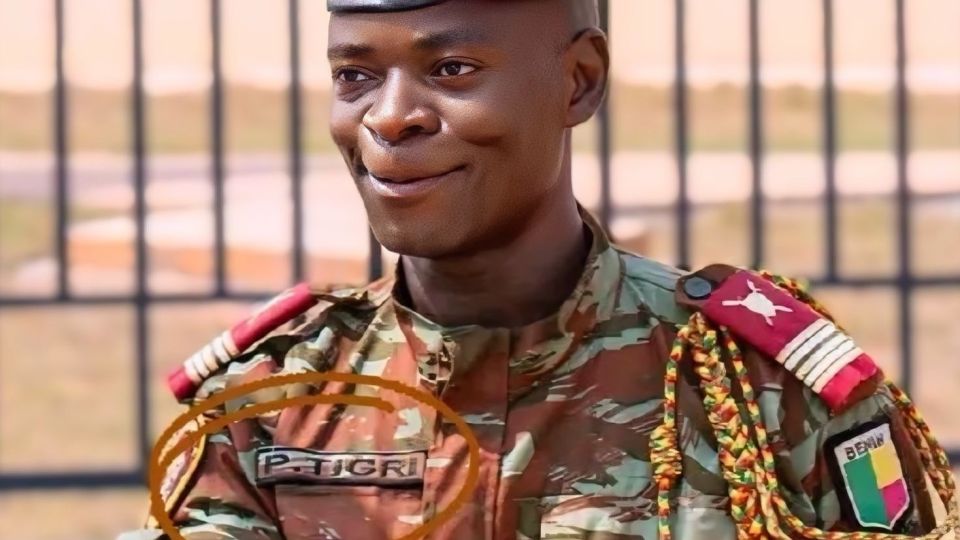
The video, released by Lieutenant Colonel Pascal Tigri, the figurehead of the coup attempt, triggered celebrations across Porto-Novo, where thousands of youths, women and elderly residents flooded the streets in open support of the mutinous soldiers.
Many demonstrators chanted that they had “had enough” of what they view as political repression, economic hardship, and foreign interference.
Despite the deployment of Economic Community of West African States (ECOWAS) troops led by Nigeria — with reported French logistical and aerial support—the situation on the ground remains contested.
Conflicting reports continue to circulate, including a brief televised appearance by President Talon asserting that “the situation is totally under control,” though opponents dismissed the broadcast as pre-recorded political theatre.
Coup supporters argue that leaders across the region (West African governments) are serving foreign interests rather than their citizens.
“We are tired of leaders working for outsiders while our people suffer,” said Asemote Bartoli, an unemployed university graduate in Porto-Novo.
Similar sentiments were echoed across social media and regional youth networks, many of whom expressed solidarity with the mutineers and called for France to stop influencing political outcomes in its former colonies.
Critics of ECOWAS also accuse the bloc of prioritising Western interests over democratic accountability.
“We all know ECOWAS works for foreign powers, not Africans,” said Mr T. Holen, while others insisted that the economic and political failures of African elites are fuelling instability.
Commenters stressed that although coups are undesirable, poor governance, corruption, and weakened democratic institutions create fertile ground for military takeovers.
Over the past decade, several Francophone African states have experienced rising public frustration rooted in economic stagnation, youth unemployment, security crises, and deep distrust of France, which remains heavily involved through military partnerships, currency arrangements, and political alliances.
Many citizens believe their leaders are beholden to Paris—a perception amplified by worsening living conditions and violent extremist threats in the Sahel region.
This environment has strengthened populist and nationalist rhetoric that casts the military as a corrective force against leaders accused of misrule or foreign dependency.
While no new successful coups were recorded in 2024–2025 prior to Benin’s crisis, several French-speaking states underwent military takeovers in recent years comprising Burkina Faso (2022), Guinea (2021), Niger (2023), Gabon (2023) and Mali (2020 & 2021)
If Tigri’s attempt succeeds, Benin—formerly Dahomey, which endured multiple coups between 1963 and 1972—would join Mali, Niger, Burkina Faso and Guinea among West African states currently under military rule.
— CAJ News